
Energy-Efficient Lighting
Energy-Efficient Lighting

Design with Minimal Environmental Impact and Energy-Efficient Lighting
Introduction
Creating spaces that are both aesthetically pleasing and environmentally friendly is a top priority for many individuals and organizations today. By incorporating design elements with minimal environmental impact and energy-efficient lighting solutions, you can contribute to a more sustainable future while also enjoying the benefits of a well-designed space.
Benefits of Minimal Environmental Impact Design
- Reduces carbon footprint
- Conserves natural resources
- Promotes sustainability
- Creates healthier indoor environments
Energy-Efficient Lighting
Lighting plays a crucial role in design and can significantly impact energy consumption. By choosing energy-efficient lighting options, you can reduce electricity usage and lower utility costs while also benefiting the environment.
Types of Energy-Efficient Lighting
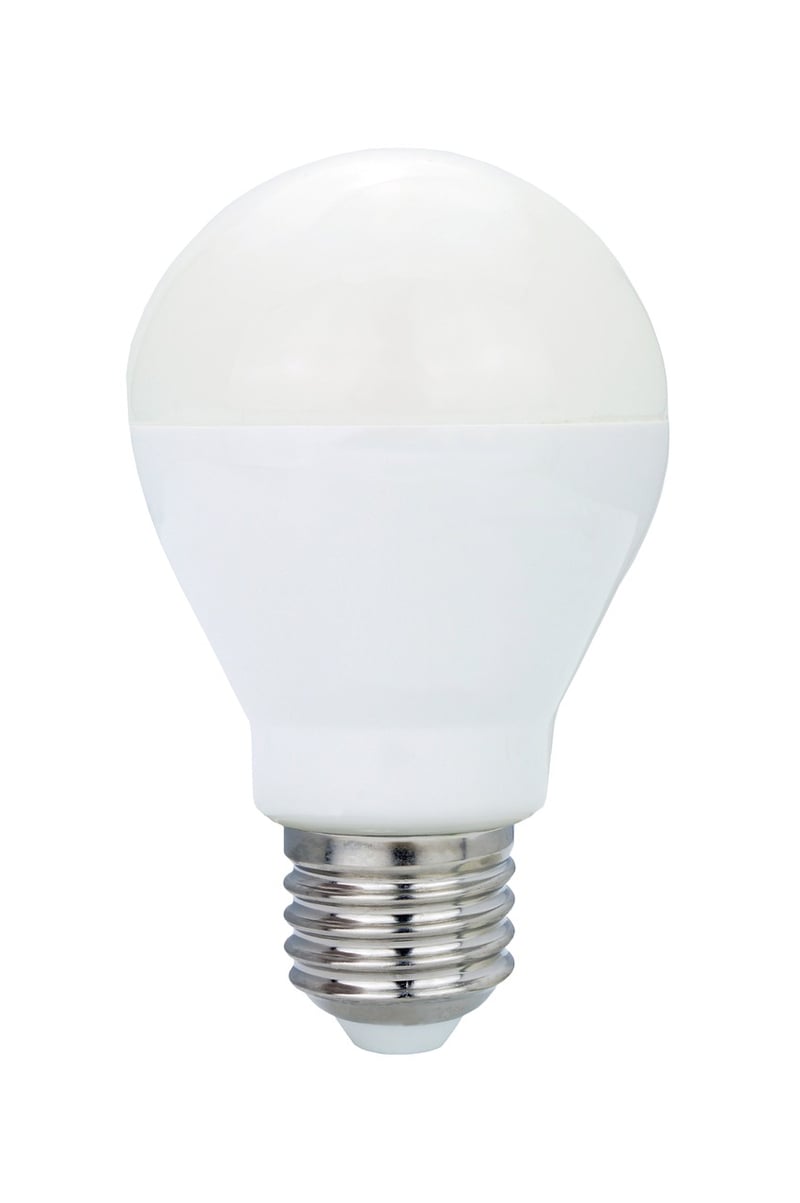
- LED Lights: Highly energy-efficient and long-lasting
- CFL Lights: Compact fluorescent lights that consume less energy
- Smart Lighting Systems: Allow for automated control and energy savings
Design Tips for Minimal Environmental Impact
- Use sustainable materials such as reclaimed wood or recycled metal
- Opt for low-VOC paints and finishes to improve indoor air quality
- Incorporate natural light through windows and skylights to reduce the need for artificial lighting
- Choose furniture and decor items made from eco-friendly materials
Conclusion
Designing with minimal environmental impact and energy-efficient lighting is not only beneficial for the planet but also for creating a healthier and more sustainable living or working environment. By making conscious design choices, you can contribute to a greener future while enjoying a well-designed space.